
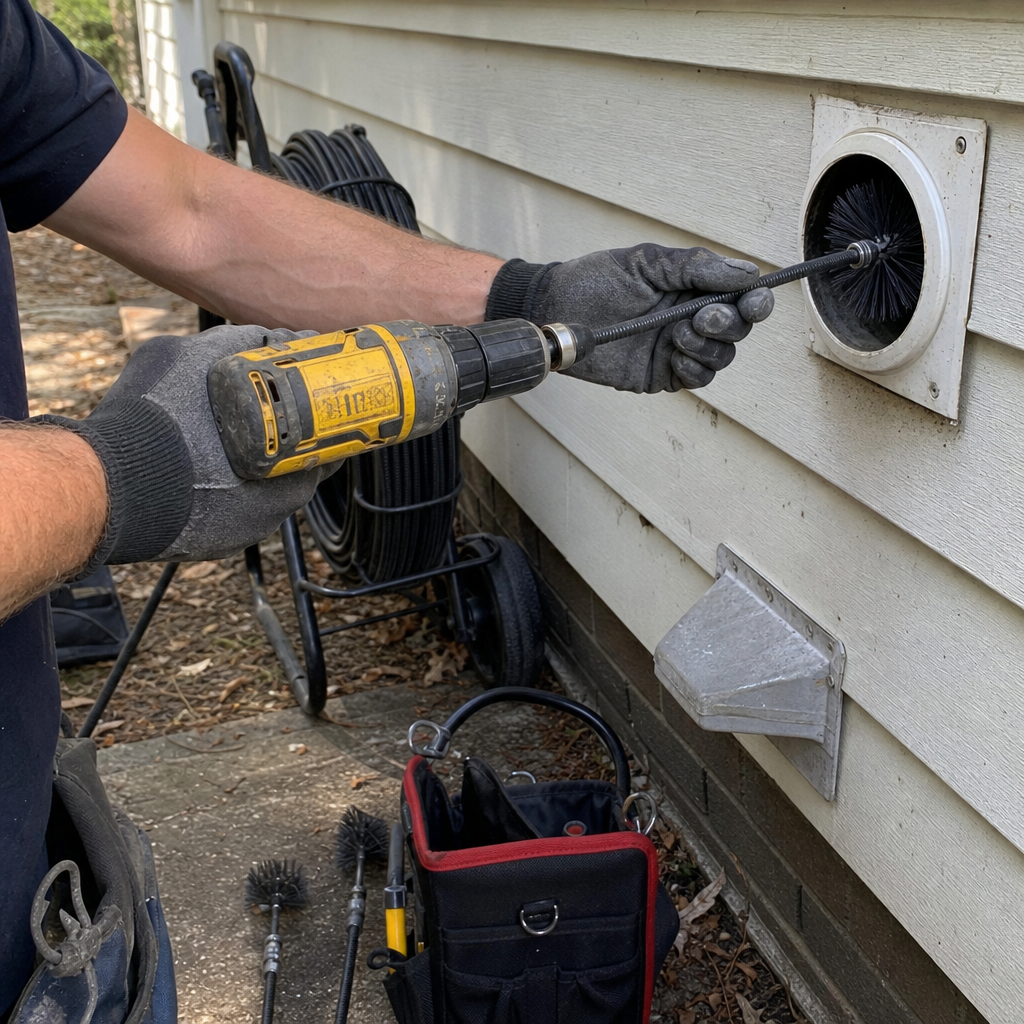
Guardsman Coil Cleaning: The Atlanta Owner’s Guide
We stock and install Guardsman-compatible evaporator and condenser coil cleaning services for most residential HVAC systems, with typical coil cleaning jobs running $180-$340 for standard access and $420-$680 when the coil requires full removal or is located in a tight attic space. Most Atlanta homeowners who call us about a Guardsman system notice the problem first as weak airflow, a frozen indoor coil, or an outdoor unit that runs constantly without cooling the house below 78 degrees. In our experience across Buckhead, Decatur, and the Perimeter corridor, these symptoms show up most often in May when humidity spikes and the system hasn’t been serviced since the previous fall.
Which Guardsman Models This Applies To
Guardsman-branded equipment was sold primarily through wholesale HVAC distributors in the Southeast between the mid-1980s and early 2000s, which means most units still running in Atlanta homes are 15 to 30 years old. The model plate, usually found on the indoor air handler or the outdoor condenser cabinet, will show a series prefix: GUC for condensers, GUH for air handlers, and GUF for furnaces. The critical detail is the coil dimensions stamped on the plate or hand-written on the service sticker, not just the model number, because Guardsman used several coil suppliers over those years and the same cabinet size could house a 2.5-ton or 3-ton coil with different fin densities.
We carry the cleaning agents and fin combs matched to both the original copper-aluminum construction and the later all-aluminum microchannel coils. For units built before 1995, we use a foaming cleaner with lower alkalinity to protect the older solder joints. Aftermarket coil cleaning approaches work fine on Guardsman equipment, but the fin spacing matters: 8 fins per inch versus 12 fins per inch changes the tool selection and the time involved. We verify this on arrival, not by guessing over the phone.
Signs Your Guardsman Coil Cleaning Is Failing
- Ice buildup on the indoor coil or suction line. Restricted airflow across a dirty evaporator coil drops the surface temperature below freezing, and Atlanta’s 75+ percent summer humidity turns that into a solid block of ice in a few hours. The system keeps running because the thermostat hasn’t been satisfied, but no air moves through the ice.
- Outdoor unit runs nonstop, indoor temperature climbs. A condenser coil clogged with cottonwood fuzz, pollen, or the red clay dust common to north Georgia yards can’t reject heat effectively. The compressor works harder, amps climb, and the house slowly warms despite the fan spinning all day.
- Musty or sour smell from vents when the AC first kicks on. Biological growth on a dirty evaporator coil releases that odor each time the blower starts. In Atlanta’s climate, we’ve seen this develop in a single season on systems with marginal drainage or coils that were never properly cleaned after installation.
- Water stains on the ceiling below the air handler. A dirty coil restricts airflow enough to freeze, then thaw, overwhelming the condensate pan and drain. In ranch-style homes with attic units, this shows up as a brown spot on the drywall before anyone notices the cooling problem.
- Electric bill jumps 30 percent or more versus the same month last year. The system isn’t broken, but it’s working twice as hard to move the same heat. We see this most often in June after a mild spring lulled the homeowner into skipping maintenance.
Replacement Cost & What’s Included
| Service Level | Price Range | What’s Included |
|---|---|---|
| Standard coil cleaning (accessible coil) | $180-$240 | Inspection, foaming cleaner application, fin straightening, drain flush, before/after camera documentation |
| Deep clean with partial disassembly | $260-$340 | Above plus blower wheel removal, secondary pan cleaning, biocide treatment |
| Coil removal and off-site cleaning | $420-$680 | Full refrigerant recovery, coil extraction, ultrasonic or pressure cleaning, reassembly, leak test, recharge |
The wide range reflects access difficulty more than coil size. A ground-level air handler in a Decatur basement takes an hour. A horizontal attic unit above a vaulted ceiling in Sandy Springs, with a platform built too tight to remove the end panel, can take half a day. We price this before we start, not after we’re committed. Every coil cleaning carries our 90-Day Done Right Promise: if airflow or temperature split doesn’t measure where we documented it, we return at no charge. No paperwork, no arguing.
Current standing offers: $89 Seasonal Tune-Up (includes coil inspection and light cleaning), $50 Off Any Repair Over $250, Free Second Opinion on Any Written Estimate, and a permanent 5% Senior and Veteran discount.
DIY or Call Us?
An owner can safely check two things: whether the outdoor condenser has visible debris packed between the fins, and whether the indoor filter is clean and properly seated. A garden hose on gentle spray can clear loose debris from the outside of a condenser coil. Beyond that, the risks stack up fast. Evaporator coils sit downstream of the blower, often in tight electrical enclosures with live 240-volt terminals inches away. The foaming cleaners sold at hardware stores are formulated for automotive radiators, not HVAC coils, and the wrong chemistry can corrode aluminum fins or degrade the solder on older Guardsman units. We’ve been called after DIY attempts bent fin fields beyond repair or forced cleaner residue into the blower motor.
Refrigerant lines run through these assemblies. Disturbing a weakened flare fitting or corroded Schrader valve can vent the charge and turn a $240 cleaning into a $900 recovery and recharge. For Guardsman equipment this age, the safest path is a trained technician with the right tools and the patience to document what we find. Call (855) 305-5564 and we’ll give you an exact price before we schedule.
FAQs
Most standard cleanings run 90 minutes to two hours from arrival to final airflow check. Coil removals, where we have to pump down refrigerant and extract the assembly, typically take four to six hours and may require a return visit if the coil needs off-site ultrasonic cleaning. We complete most jobs in a single visit, and we’ll tell you which category yours falls into when you call.
No. A dirty coil isn’t broken, it’s obstructed. Cleaning is the repair. The exception is when corrosion has eaten through the tubing or fin structure, in which case cleaning won’t restore capacity and we’d recommend coil replacement or full system evaluation. We camera-inspect before and after so you can see the difference, and we’ll flag corrosion honestly if we find it.
With standard 1-inch pleated filters changed every 60-90 days, a properly cleaned coil should stay functional for two to three years. Without consistent filter changes, or with pets and high occupancy, we’ve seen coils need attention again in 12 months. Atlanta’s pollen season, particularly the oak and pine waves in April and May, loads outdoor condenser coils fast if the unit sits near tree canopy.
Yes. Our trucks carry foaming cleaners matched to copper-aluminum and all-aluminum construction, fin combs for 8, 10, and 12 fins per inch, wet/dry vacuums with HEPA filtration, and portable refrigerant recovery units for jobs requiring coil removal. For Guardsman systems specifically, we also stock the older-style access panel gaskets that tend to crumble when disturbed after decades in place. Same-day scheduling is usually available for calls received before noon.
Clean ducts do quiet work. If your Guardsman system isn’t keeping up, or if you’ve noticed any of the symptoms above, call (855) 305-5564 for a free estimate. We’ll answer the phone, give you an upfront price, and show you what we found before we leave. That’s how we’ve worked since 2012.
Written by Cliff Darden, Owner, Bellows Air Duct & Vent Co. of Atlanta at Bellows Air Duct & Vent Co. of Atlanta, serving Atlanta and nearby areas.